HearthVolt Buying Guides

Buy with clarity.

Good kitchen choices begin with understanding how you actually cook. These guides help you compare useful features, space requirements, routines, and product types before deciding what deserves a place in your kitchen.


Modern espresso machine with coffee cups on a refined kitchen counter
Start with the routine. Space, frequency, capacity, cleanup, and the way you cook matter more than a long feature list.
Stainless espresso machine in a bright sunlit kitchen

Guide 01 · Coffee & espresso

Choose around your morning ritual

The best coffee setup is the one that matches how much involvement you want before the first cup. Start by deciding whether you prefer one-touch convenience, a more hands-on espresso routine, or a simple brewed-coffee workflow.

Start with drink style Think about whether you mainly make espresso, longer coffee, milk-based drinks, or a mix of several styles.
Measure the counter first Account for machine width, depth, overhead clearance, and the space needed to refill water or beans comfortably.
Consider milk preparation If lattes or cappuccinos are part of your routine, decide whether you want integrated steaming, a separate frother, or manual control.
Think about cleanup frequency Daily rinsing, removable parts, drip trays, milk systems, and descaling routines can matter as much as brewing features.

What matters most

Compare the right things

Feature lists can be long. A better comparison focuses on the few characteristics that change how a product fits your space and routine.

01 · Capacity

Match size to real use

Choose capacity around household size, batch habits, and how often you cook—not simply the largest option available.

02 · Footprint

Protect your counter space

Measure the actual area where the product will live, including doors, lids, handles, cords, and ventilation clearance.

03 · Workflow

Count the steps you repeat

A feature is valuable when it removes friction from something you do often. Extra modes matter less when they rarely fit your routine.

04 · Care

Consider cleanup early

Removable components, accessible surfaces, storage, and routine maintenance all influence how enjoyable a product is to use long term.

Guide 02 · Cookware

Build the set around how you cook

A useful cookware collection does not need every possible pan. Start with the pieces that match your most common meals, then add specialty cookware only when a recurring cooking method actually calls for it.

Check cooktop compatibility Confirm that the cookware is suitable for the heat source you use, especially when cooking on induction.
Choose material by technique Different materials behave differently with heat, browning, simmering, weight, cleanup, and temperature changes.
Think in useful sizes Choose pan and pot sizes based on the portions you actually prepare and the burners you use most often.
Plan storage before buying sets Handles, lids, nesting ability, hanging options, and cabinet depth can determine whether a set feels convenient or cumbersome.
Stainless steel cookware in a warm modern kitchen

Choose by kitchen need

Three practical buying paths

Not every purchase starts with a product name. Sometimes the better starting point is the task you want to make easier.

Fast everyday cooking

Reduce hands-on time

Compare air fryers, countertop grills, griddles, slow cookers, pressure cookers, and rice cookers by capacity, presets, cleanup, counter footprint, and the meals you repeat most often.

Best starting point: cooking frequency
Better preparation

Make prep more efficient

Compare blenders, juicers, mixers, food processors, knives, cutting tools, and measuring tools by task range, bowl or jar capacity, storage, attachments, and cleanup.

Best starting point: repeated prep tasks
A calmer kitchen

Improve order and access

Choose food storage and pantry organization around visibility, stackability, ingredient sizes, shelf depth, frequency of access, and how easily items can be returned to their place.
Best starting point: the space you already have
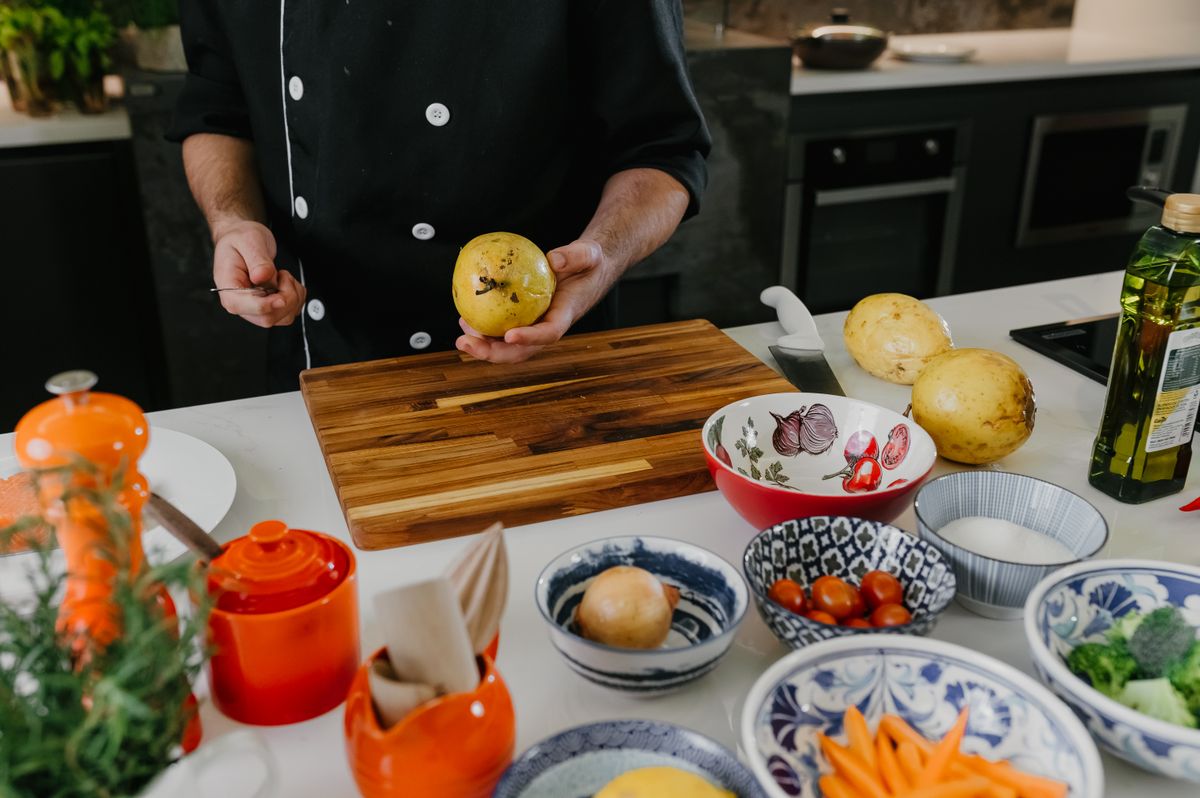
Fresh ingredients being prepared with a knife on a wooden cutting board

Guide 03 · Food preparation

Choose the tool for the task you repeat

Food preparation products are most useful when they remove friction from work you already do regularly. Start by identifying whether chopping, blending, mixing, juicing, slicing, measuring, or batch preparation is the task you want to improve.

Separate power from usefulness More power can help with demanding tasks, but blade design, container shape, controls, and task fit matter too.
Choose capacity realistically A compact tool can be easier for small daily tasks, while larger bowls and jars make more sense for batch preparation.
Count the attachments you will use A smaller set of useful accessories is often easier to store and maintain than many attachments that rarely leave the cabinet.
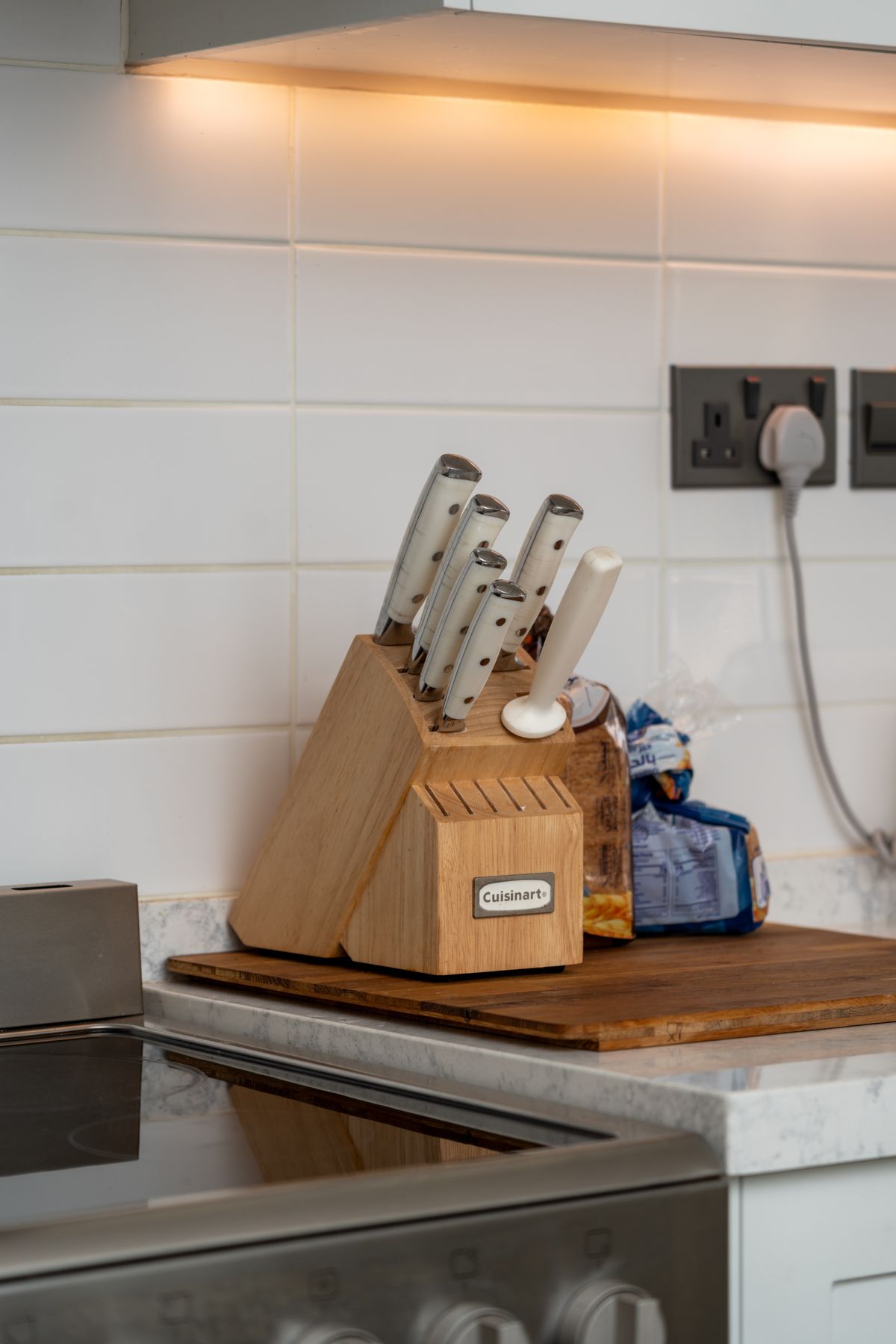
Think about hand feel For knives and manual tools, grip comfort, control, balance, storage, and ease of cleaning can be more important than extra features.

The HearthVolt framework

Five questions before you buy

Use this framework for almost any appliance, cookware piece, preparation tool, storage solution, or serving essential.
01
What problem am I solving? Define the recurring task, limitation, or frustration that makes the purchase useful.
02
How often will I use it? Daily-use products deserve different priorities from occasional specialty tools.
03
Where will it live? Measure the counter, cabinet, drawer, pantry shelf, or wall area before committing to the footprint.
04
What will maintenance require? Consider washing, removable parts, storage, regular cleaning, and the care routine you are comfortable keeping up with.
05
Which features change my routine? Prioritize features that save meaningful time, add useful control, or make a repeated task easier.
Modern kitchen knife block and cooking tools arranged on a countertop
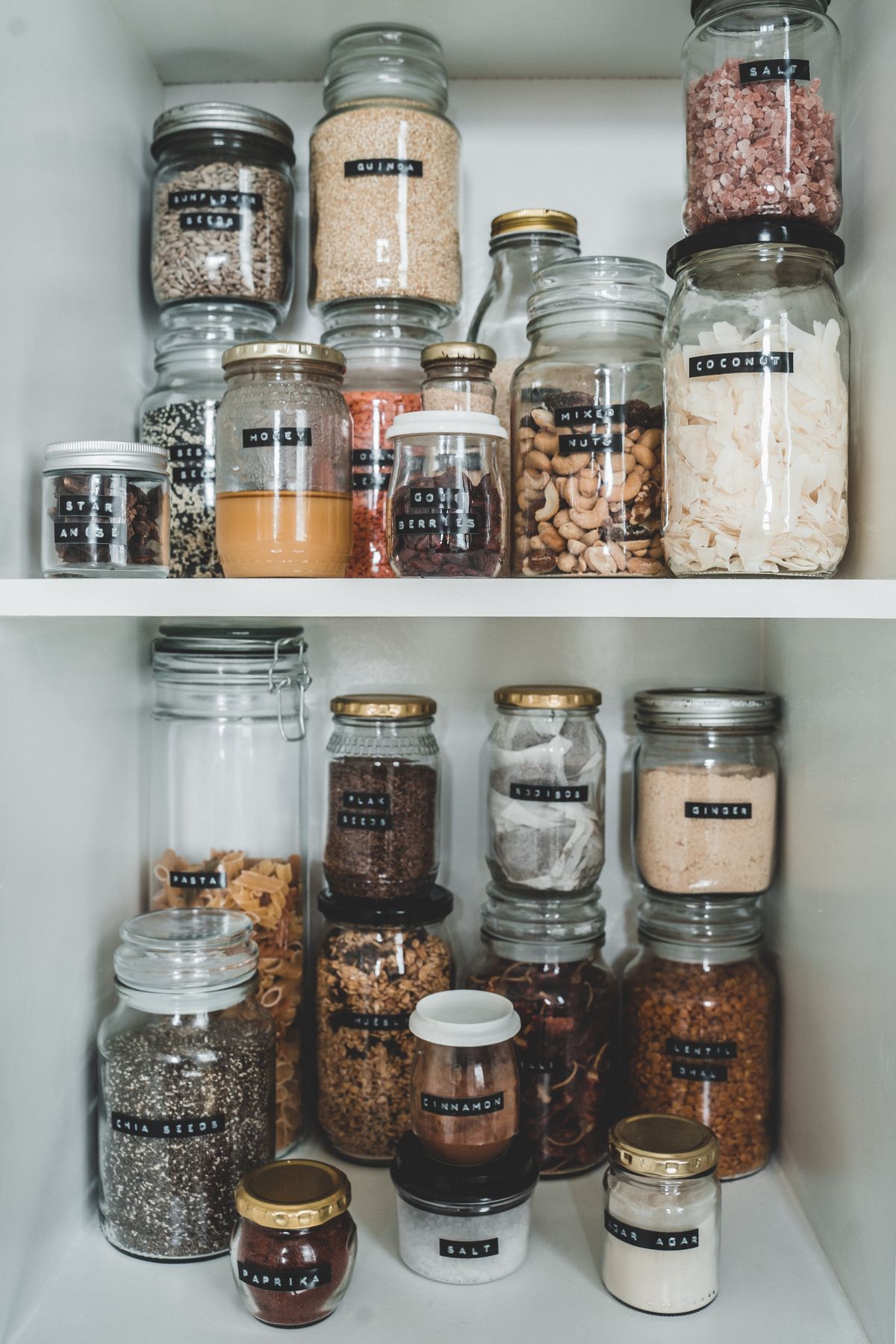
Organized pantry with clear glass jars and dry food storage

Guide 04 · Storage & organization

Organize around visibility and access

Good storage is less about filling every shelf with containers and more about making ingredients and tools easier to see, reach, return, and maintain.

Measure shelf depth Choose bins, containers, and turntables that fit the actual depth and height of the storage area.
Group by frequency Keep daily ingredients and tools easiest to reach, while occasional items can sit higher or farther back.
Use visibility deliberately Clear storage can make contents easier to identify, while opaque storage can reduce visual noise where visibility is less important.
Leave room to maintain the system A storage setup works best when items can be returned without rearranging several other things first.

Need help choosing?

Support is available 24/7

If you need help understanding a product category, comparing general features, or clarifying an order question, HearthVolt support is available around the clock.

support@hearthvolt.lol +1 (773) 285-0554

HearthVolt · 801 INDUSTRIAL LOOP 105B, Breckenridge TX 76424, United States

Free shipping · 3–5 calendar day delivery · Free 30-day returns and exchanges