

Read before first use
Check the manufacturer’s instructions before using, washing, assembling, heating, charging, or storing a new product.
Product Care & Use
Everyday kitchen products perform better when care becomes part of the routine. Use this guide for practical cleaning, handling, storage, and maintenance habits across HearthVolt’s appliance, cookware, tool, bakeware, food storage, and serving categories.

Care foundations
Product-specific instructions always come first, but a few consistent habits make daily care simpler across appliances, cookware, utensils, storage, and serving pieces.
Check the manufacturer’s instructions before using, washing, assembling, heating, charging, or storing a new product.
Allow hot cookware and heated appliance parts to cool appropriately before cleaning, moving, soaking, or storing them.
Moisture left in lids, seals, joints, blades, metal surfaces, or storage containers can encourage odors, spotting, or unwanted residue.
Routine cleaning is a good time to notice loose parts, worn seals, damaged cords, chips, cracks, or surfaces that need attention before the next use.
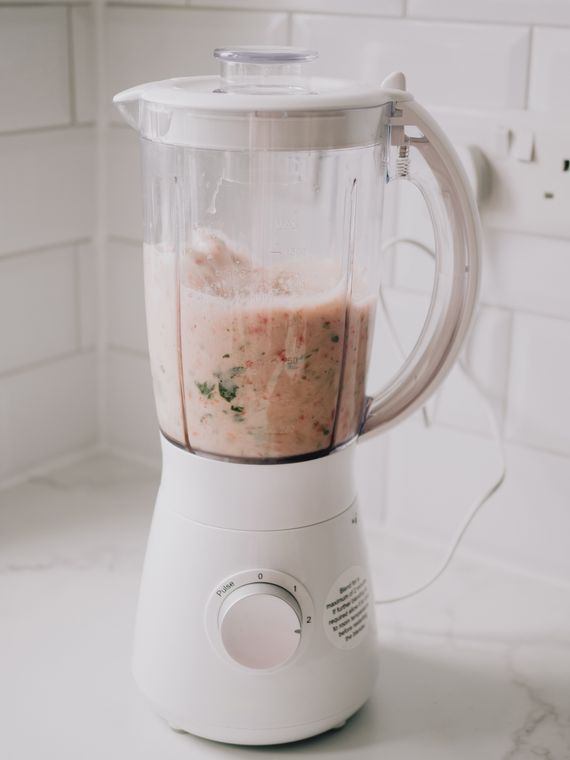
Small appliance care
Air fryers, grills, coffee makers, kettles, blenders, juicers, mixers, processors, and multi-cookers all have different care instructions. The safest starting point is always the product manual, especially for removable parts and dishwasher compatibility.
Use with care
General care guidance never replaces the instructions supplied with a specific product. When a manual gives a different requirement, follow that product-specific guidance.
Use handles and protective tools where appropriate, keep hands clear of steam vents, and allow heated parts to cool before cleaning or storing.
Avoid using an appliance with a visibly damaged cord, plug, or housing. Keep electrical connections away from standing water and wet hands.
Blender blades, processor discs, knives, and other cutting parts should be handled by safe edges or designated grips whenever possible.
Use products on suitable, level surfaces and maintain any ventilation or clearance space required by the manufacturer.
Cookware & bakeware
Pots, pans, baking pieces, and specialty cookware last more gracefully when cleaning methods and utensils are matched to the material. Always follow the care directions for the specific finish or coating.

Knives & preparation tools
Knives, cutting tools, graters, slicers, peelers, measuring tools, and other preparation essentials work best when they are cleaned promptly, dried fully, and stored so sharp or delicate working surfaces are protected.

A simple care rhythm
Product care feels easier when it is broken into small routines instead of saved for occasional deep cleaning.
Remove food residue, wash or wipe the recommended parts, dry thoroughly, empty removable trays or containers, and return tools to safe storage once they are ready.
Focus: residue · moisture · sharp parts · hot surfacesInspect seals, lids, vents, hinges, removable filters, handles, cords, blade assemblies, storage corners, and the spaces where crumbs or residue tend to collect.
Focus: buildup · wear · access points · moving partsDescaling, filter care, sharpening, seasoning, replacement parts, or other periodic maintenance should follow the schedule and method given for the specific product.
Focus: manuals · material care · product-specific maintenance
Food storage & pantry care
Food storage works best when containers, lids, seals, and shelves are kept clean and fully dry. A simple organization system also makes it easier to notice spills, residue, or containers that need attention.

Storage after cleaning
Good storage is part of product care. Keep cleaned items dry, protect sharp or delicate components, avoid unnecessary pressure on fragile parts, and give cords, lids, accessories, and removable pieces a consistent place.
Need product help?
For general product, order, checkout, shipping, delivery, return, or exchange questions, customer support is available around the clock. For care and operation, always keep the specific product instructions as your primary reference.