Coffee & Cooking Guides

Better routines from first brew to final plate.

Coffee and cooking both improve when the process becomes easier to understand. These HearthVolt guides focus on practical technique, useful equipment choices, preparation habits, timing, cleanup, and the small adjustments that make everyday kitchen routines feel more controlled.
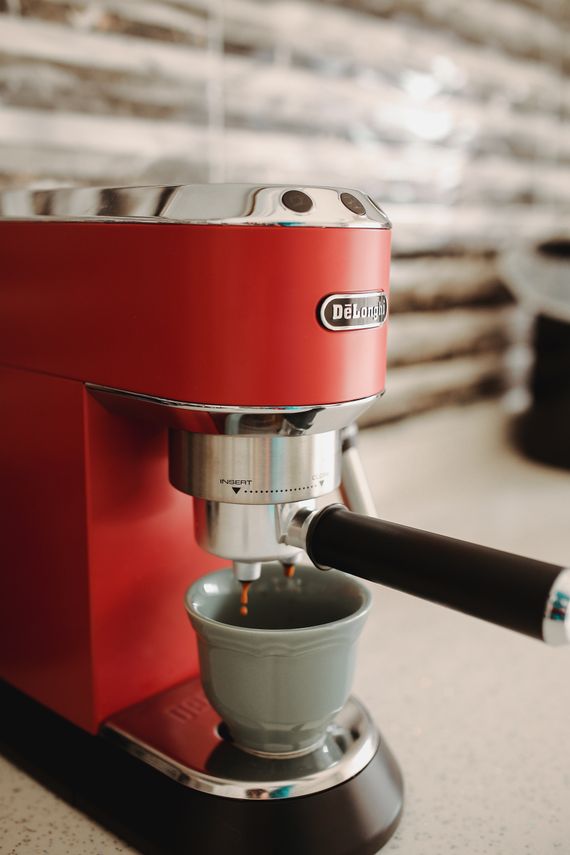
Red espresso machine brewing coffee in a modern kitchen
Technique before complexity. Understand the repeatable basics first, then let your equipment support the routine.
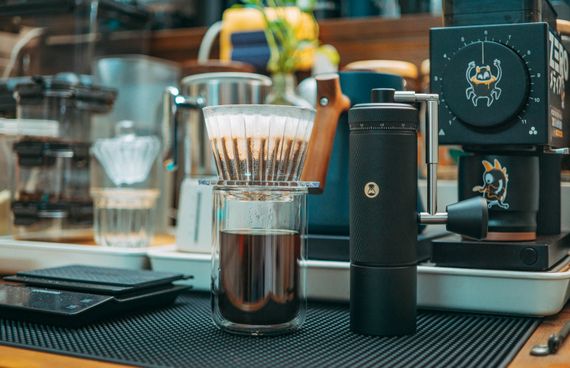
Coffee grinder, filter brewer and espresso equipment arranged on a modern counter

Coffee foundations

Build a brew you can repeat

Better coffee usually begins with consistency. Use the same basic process long enough to understand how changes in grind, coffee amount, water, and contact time affect the cup before changing several variables at once.

01
Start with fresh coffee Store coffee appropriately and grind close to brewing when your equipment and routine allow it.
02
Keep the ratio consistent Use a repeatable amount of coffee and water so you can judge changes more clearly from one brew to the next.
03
Adjust one variable at a time If the cup tastes off, change grind, time, temperature, or ratio individually rather than changing everything together.
04
Keep equipment clean Old coffee oils, milk residue, scale, or stale grounds can affect both flavor and the condition of coffee equipment.

Coffee guide

Four variables worth watching

You do not need to turn every cup into a technical exercise. A small number of repeatable variables gives you enough control to improve your routine without making it complicated.

Grind

Use grind size as a control

Different brewing methods need different grind ranges. Keep adjustments small and observe how the cup changes before adjusting again.

Water

Make water part of the routine

Use clean water and follow the coffee maker or brewing method instructions for filling, heating, filtering, and maintenance.

Ratio

Repeat before refining

A consistent coffee-to-water ratio gives you a stable starting point for comparing taste and making meaningful adjustments.

Care

Clean equipment protects flavor

Rinse removable brewing parts as directed, empty old grounds promptly, and follow the product instructions for deeper cleaning or descaling.

Espresso at home

Create a compact routine around the machine

A good espresso setup is as much about workflow as the machine itself. Keep coffee, cups, milk tools, towels, and the most-used accessories close enough that the routine feels natural rather than scattered.
Warm up with intention Follow the machine instructions for preheating and preparation before brewing so the routine begins consistently.
Keep the grinder close Placing coffee and grinding equipment beside the machine reduces unnecessary movement and helps keep the station visually coherent.
Prepare milk last when useful For milk-based drinks, organize the sequence so the espresso and milk finish close together rather than sitting for long periods.
Reset immediately Clear spent coffee, wipe milk residue, and rinse removable components according to the machine instructions after use.
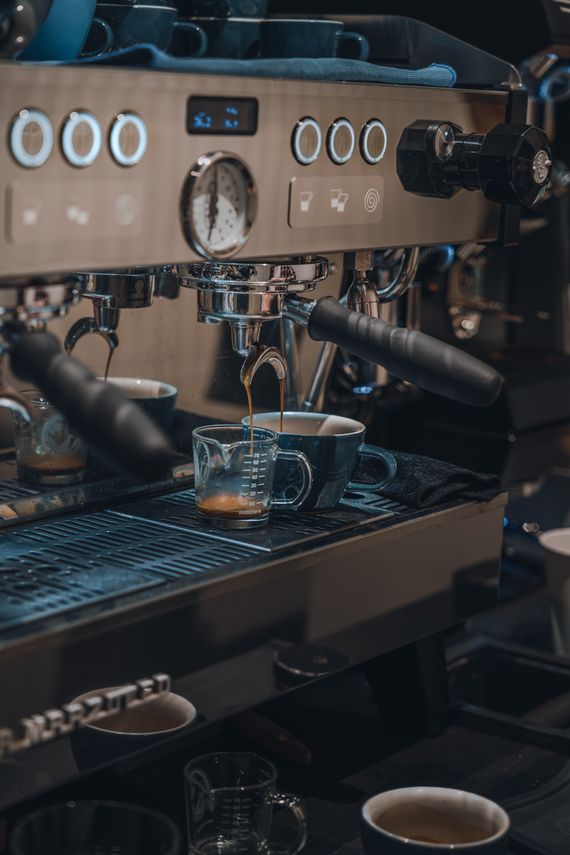
Espresso machine brewing fresh coffee into small cups
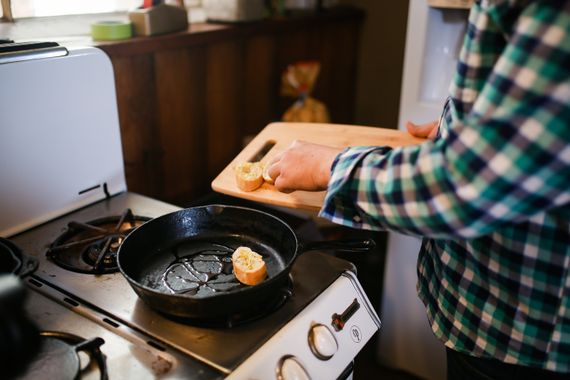
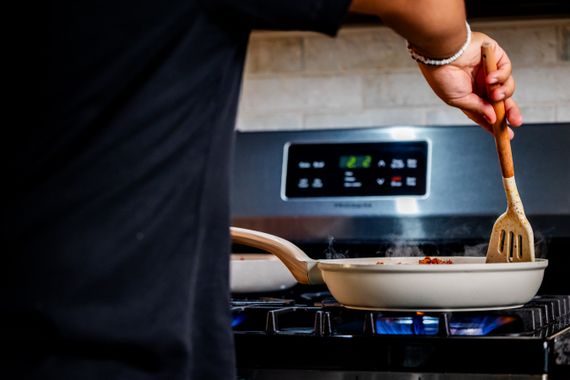
Home cook holding a frying pan while preparing food on a stove

Cooking foundations

Good cooking starts before the pan gets hot

The calmest cooking sessions usually have one thing in common: ingredients, tools, cookware, and timing are considered before the busiest part begins. Preparation creates the space to focus on heat, texture, and finishing.

01
Read the full method first Know which ingredients need preparation, which tools are required, and which steps will happen quickly once heat is involved.
02
Prepare ingredients before the critical stage Chop, measure, mix, and organize what you need so you are not searching for ingredients while food is cooking.
03
Choose cookware that fits the task Pan size, depth, material, and available surface area can affect browning, simmering, evaporation, and how evenly food cooks.
04
Control heat instead of chasing it Give cookware time to respond to temperature changes and adjust deliberately rather than constantly moving between extremes.
05
Prepare the finish before the food is ready Have serving tools, plates, garnishes, resting space, or storage containers ready so the final step feels controlled.

Cooking methods

Choose the method by the result you want

Appliances and cookware are tools for creating different kinds of heat and control. Start with the texture and timing you want, then choose the method that supports it.

High-heat cooking

Use surface heat for browning

Skillets, grills, griddles, and similar tools are useful when direct contact and surface browning matter. Avoid overcrowding when space is needed for evaporation and searing.

Useful with: pans · grills · griddles · specialty cookware
Contained cooking

Use enclosed heat for convenience

Air fryers, pressure cookers, slow cookers, and rice cookers can reduce hands-on attention when the appliance is matched to the food and used according to its instructions.

Useful with: air fryers · multi-cookers · rice cookers
Oven cooking

Use time and dry heat together

Baking and roasting benefit from the right pan size, consistent placement, suitable ovenware, and enough room around food for the intended browning and heat circulation.

Useful with: bakeware · roasting essentials · specialty cookware

Timing the meal

Work backward from the moment you want to serve

Better timing does not mean rushing. It means understanding which components can wait, which need resting time, and which are best finished immediately before serving.
A
Start the longest task first Slow cooking, pressure cooking preparation, rice, roasting, or baking may need to begin before quicker stovetop or countertop components.
B
Use resting time deliberately Some cooked foods benefit from a short rest, which can create a useful window for finishing vegetables, sauces, coffee, or serving preparation.
C
Finish crisp or delicate items last Foods that lose texture quickly are usually best timed closer to serving than components that hold well.
D
Prepare the table before the final minute Drinkware, serving utensils, plates, and storage for leftovers are easier to manage before the hottest components are finished.
Person cooking with a frying pan on a stove in a home kitchen
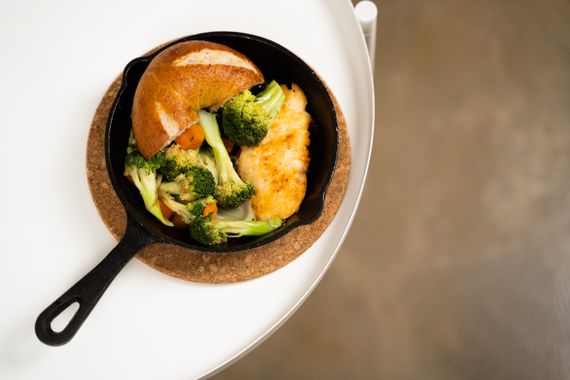
Colorful chicken and vegetable skillet meal in a cast iron pan

Coffee meets the kitchen

Use the same principles for both routines

Brewing coffee and cooking a meal may look different, but both become easier when preparation is deliberate, variables are controlled, equipment is kept clean, and the workspace is reset after use.

Prepare before the critical moment Measure coffee before brewing and prepare ingredients before high-heat cooking so attention can stay on the part that changes quickly.
Change one thing at a time Whether adjusting coffee grind or cooking heat, isolated changes are easier to understand than changing several variables together.
Clean as part of the process Rinsing coffee equipment, clearing cookware, and washing removable parts promptly keeps the next use simpler.
Build a repeatable station Keep the most-used coffee or cooking tools near the place where the task happens and protect enough clear space to work comfortably.

Need product guidance?

HearthVolt support is available 24/7

If you have a general product, order, checkout, shipping, delivery, return, or exchange question, HearthVolt customer support is available around the clock.

support@hearthvolt.lol +1 (773) 285-0554

HearthVolt · 801 INDUSTRIAL LOOP 105B, Breckenridge TX 76424, United States

Free shipping · 3–5 calendar day delivery · Free 30-day returns and exchanges